



A warm welcome from our
Head of School
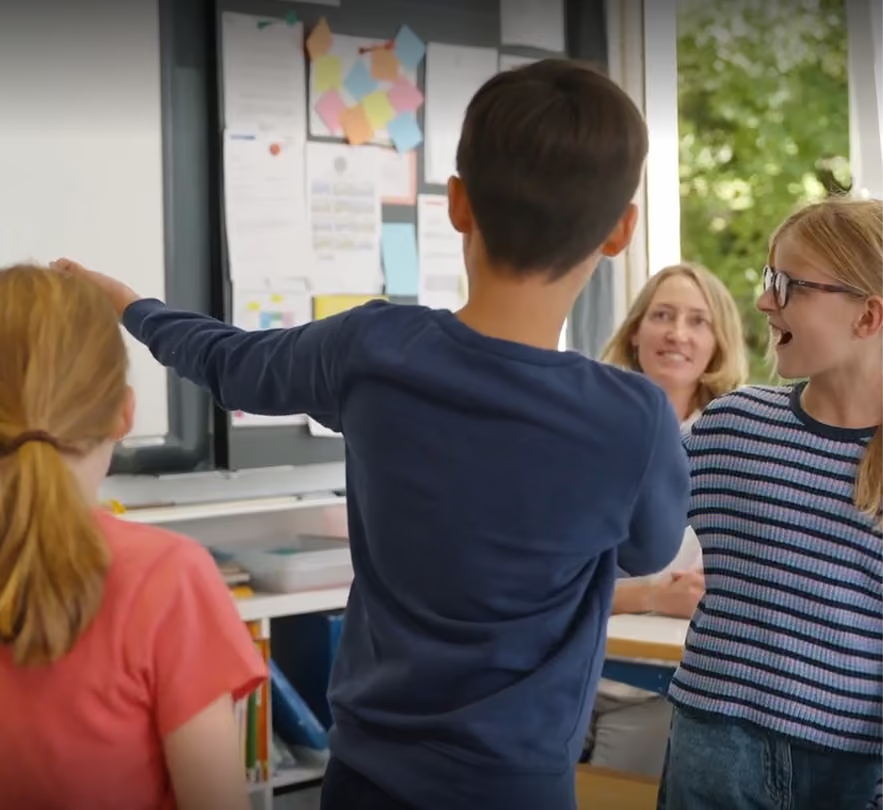
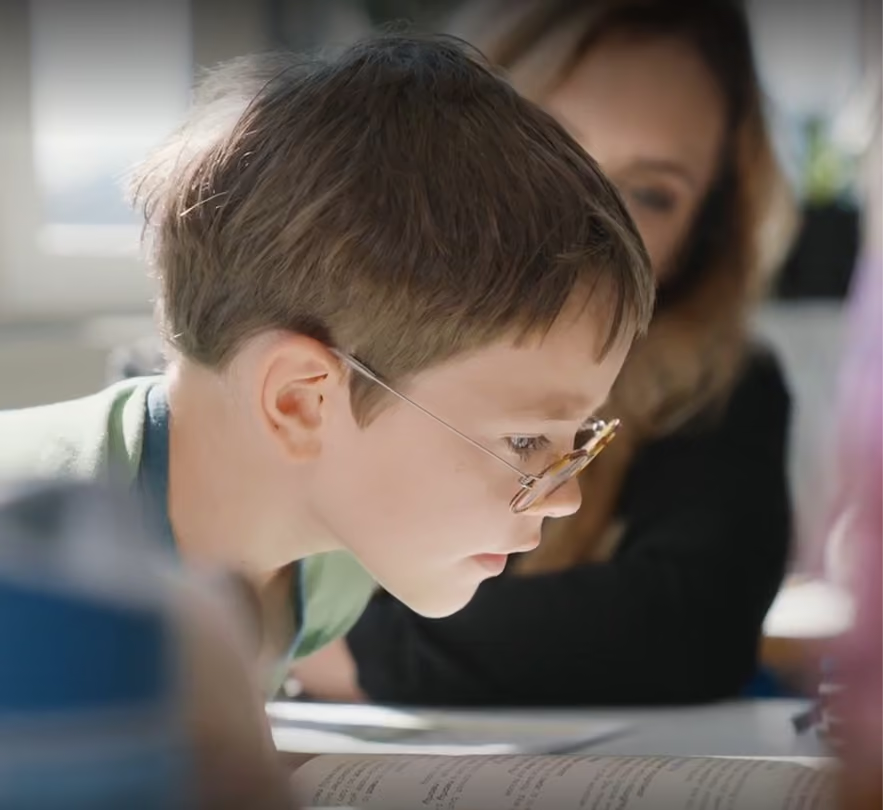
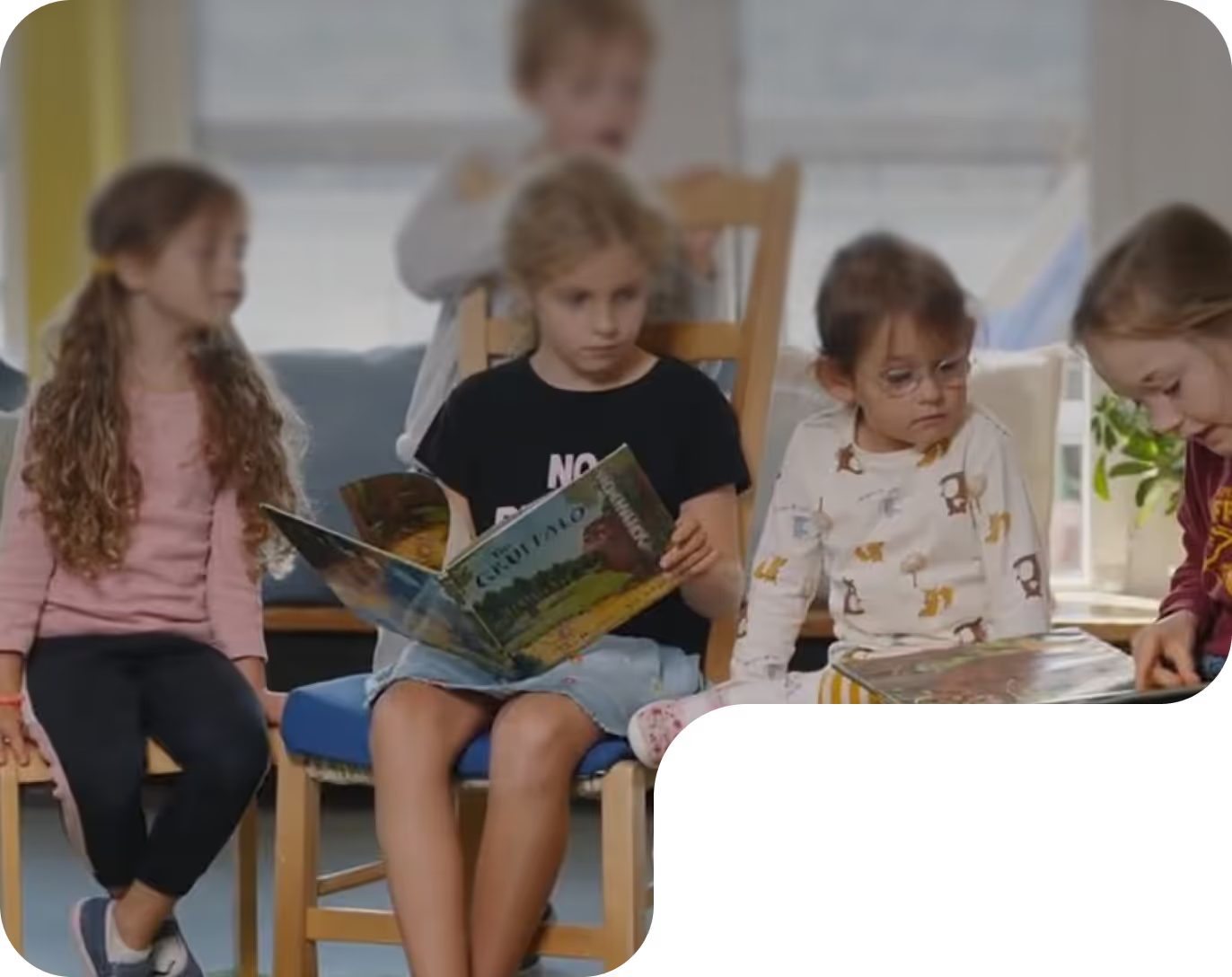
It is my privilege to welcome you to Lakeside School! As the first bilingual school in the Zurich region, we are proud of the education and care which we have offered our students over the past three decades. Placing our students at the heart of what we do, our small-school environment allows for a nurturing and familiar environment - a familiar place where everyone knows each other and where each student is more than a number. Although supportive, our academically rigorous environment challenges our students both with their learning as well as their social development. Whether it be Early Years or Primary School, our qualified and experienced team have devoted their professional lives to our passion that is education. It would be a pleasure to meet you at one of our campuses soon. In the meantime, enjoy discovering Lakeside Life as you browse through our website.
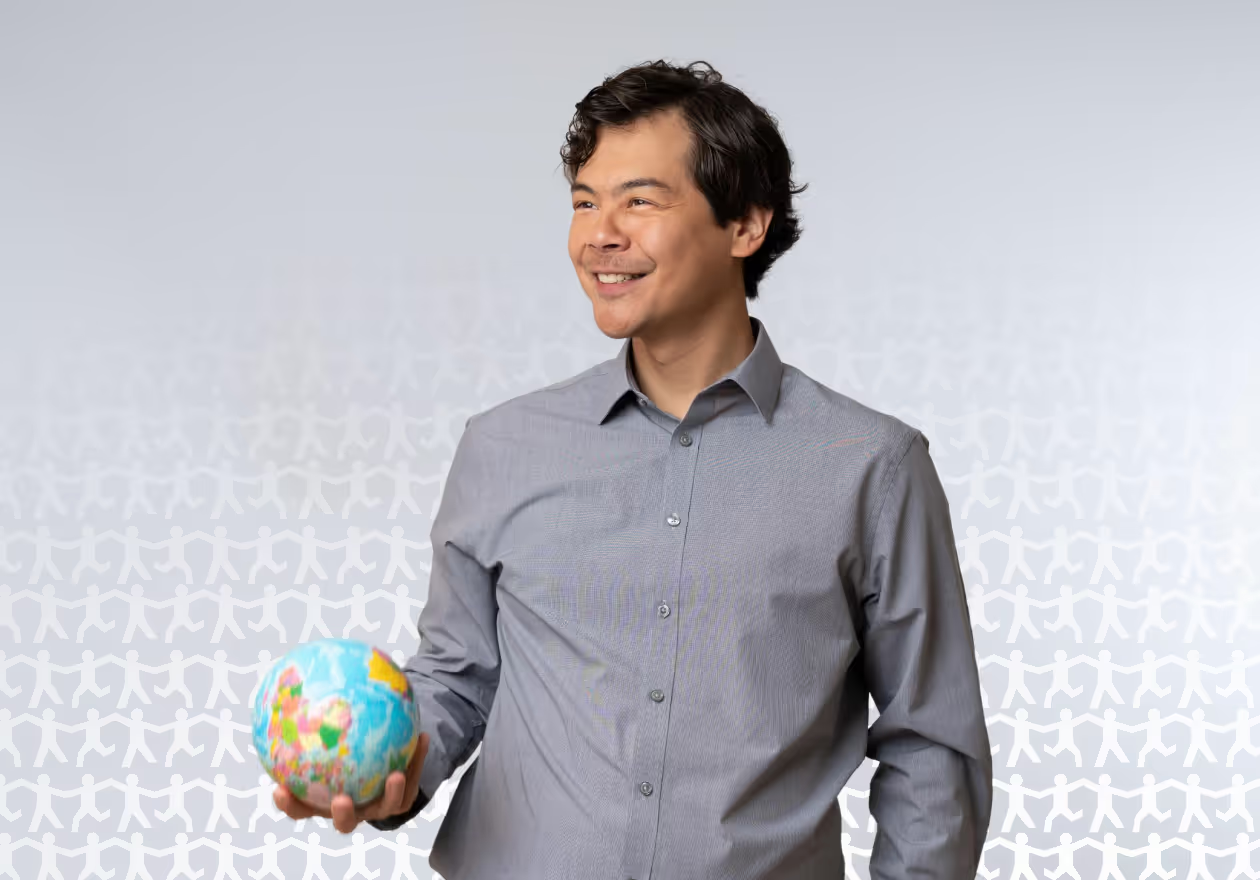
Dr. Daniel Ng
Head of School & CEO

.svg)
.svg)

.avif)
Meeting National & International Standards
We fulfill all expectations of the Swiss national curriculum ‘Lehrplan 21’ and incorporate elements of carefully selected international curricula for a holistic and truly bilingual educational experience. Our goal is to prepare our students for an academically challenging upper school experience, which includes the Bilingual Swiss Matura. After Lakeside School, the world is your child’s oyster.

Lakeside School Werte
.png)
.png)
.png)
.png)
.png)

Respect
Respect

Ambition
Ambition

Responsibility
Responsibility
.svg)
Open Mindedness
Open Mindedness

Empathy
Empathy

Resilience
Resilience
.avif)
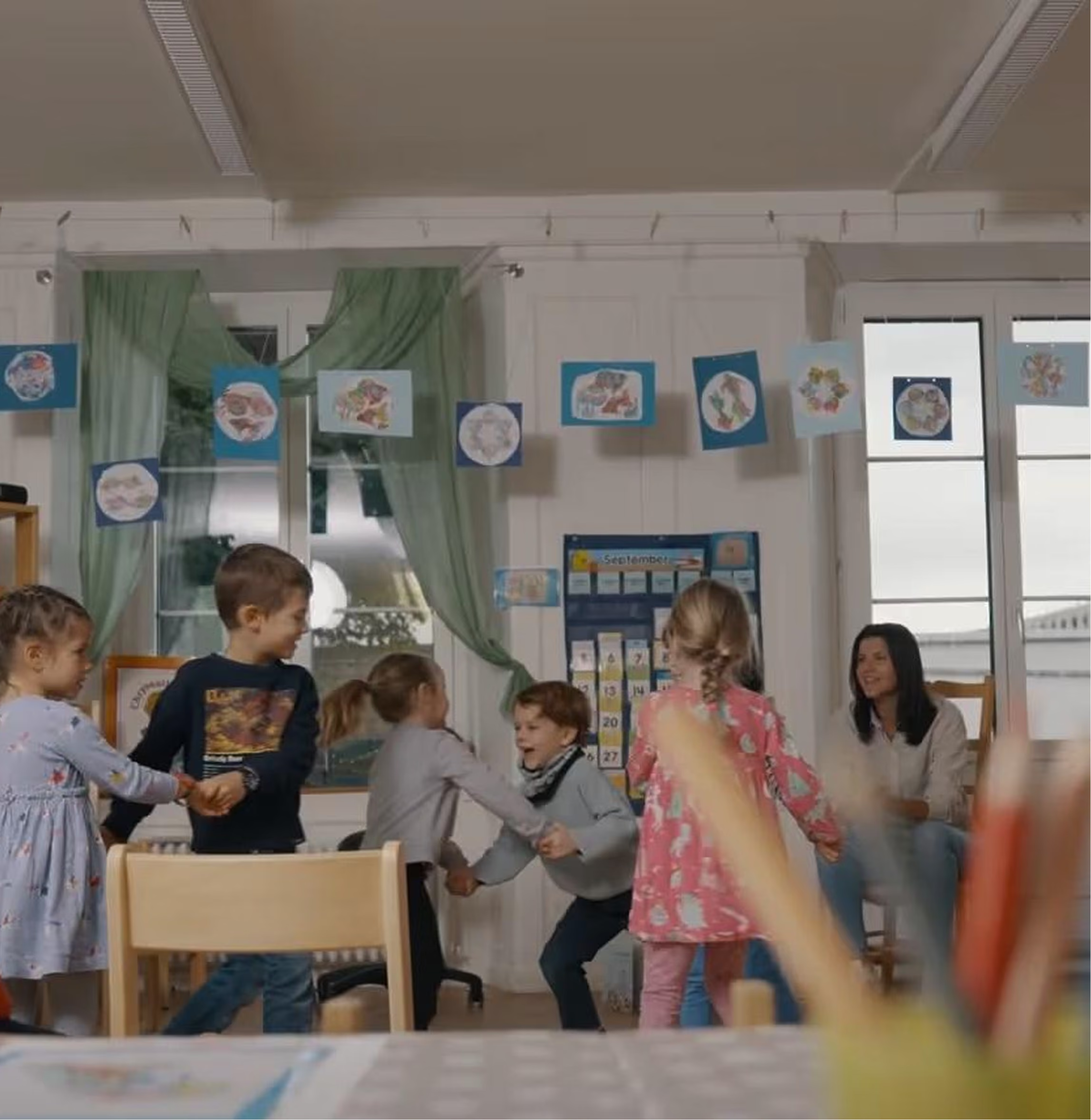
.avif)
.avif)
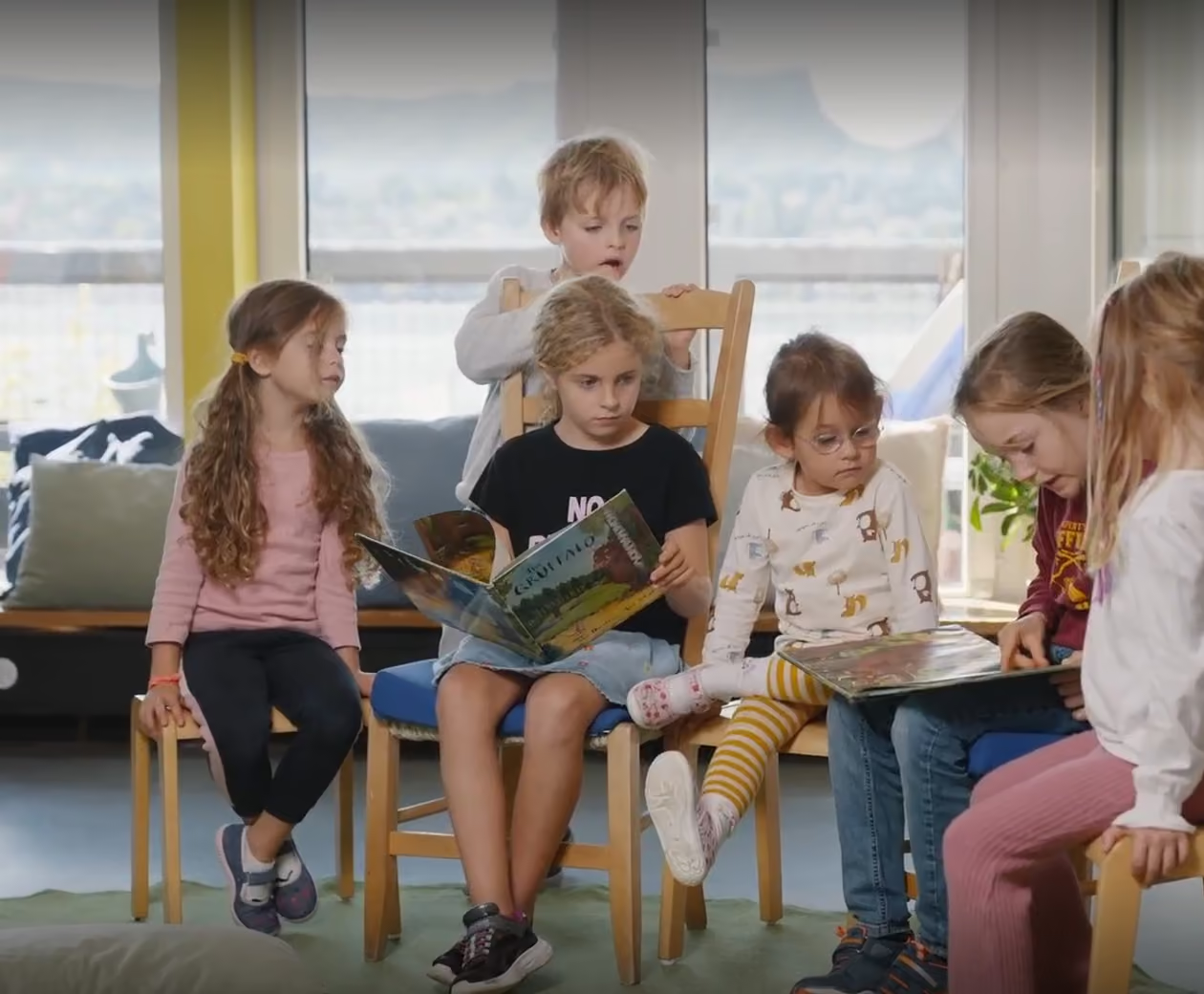

Respect
Ambition
Responsibility
Open Mindedness
Empathy
Resilience
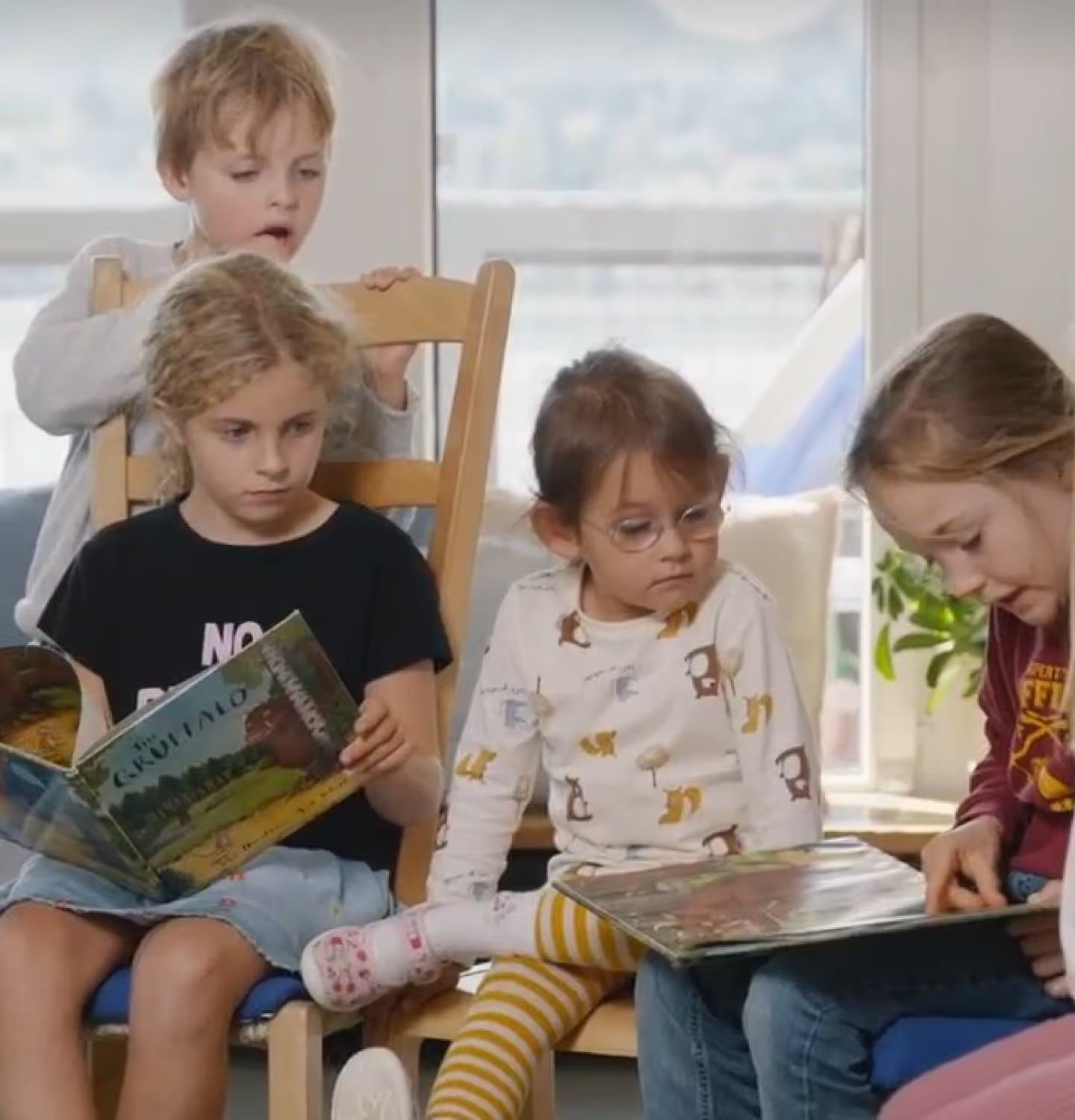
Bilingual Education with Teachers who are Native Speakers
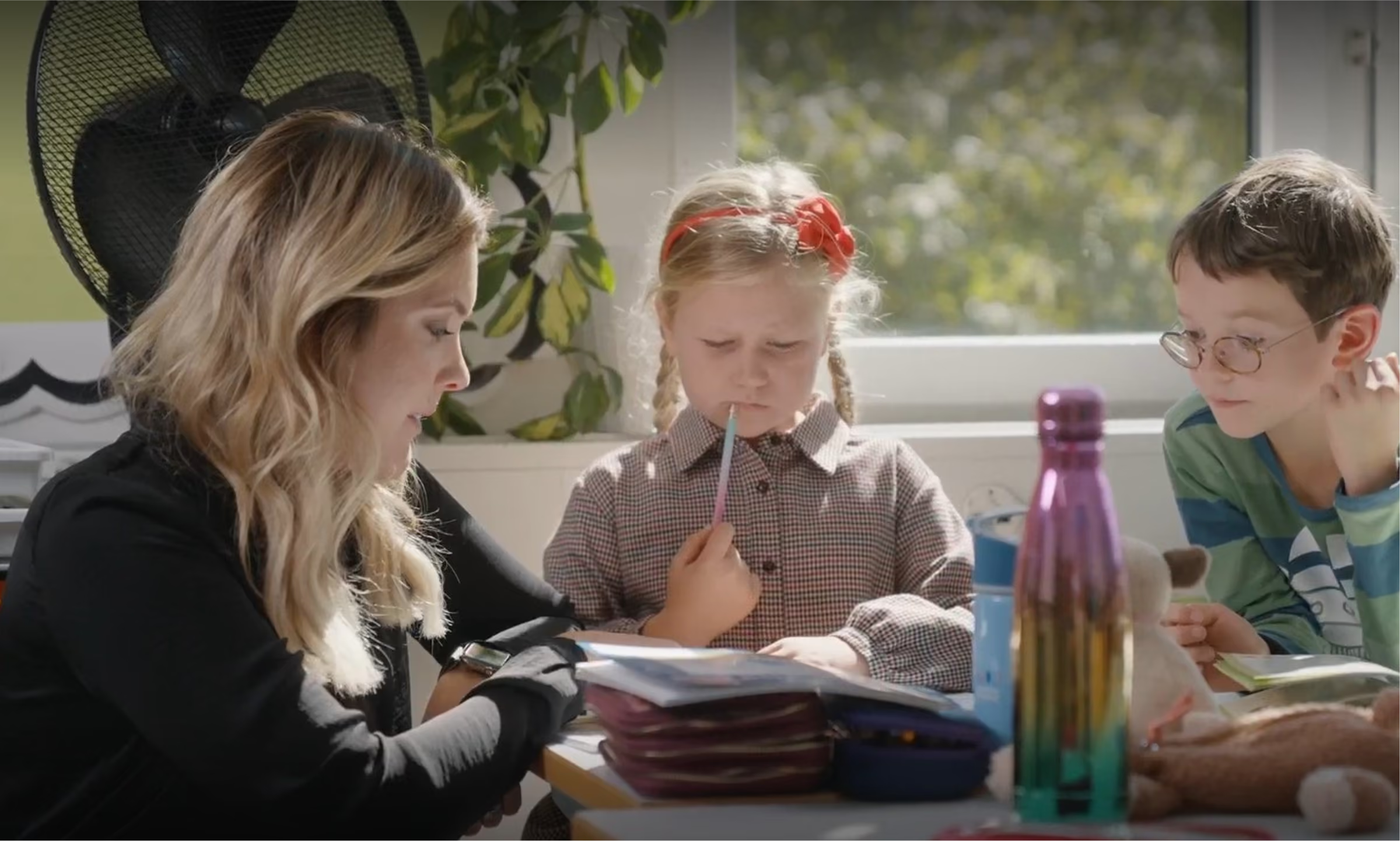
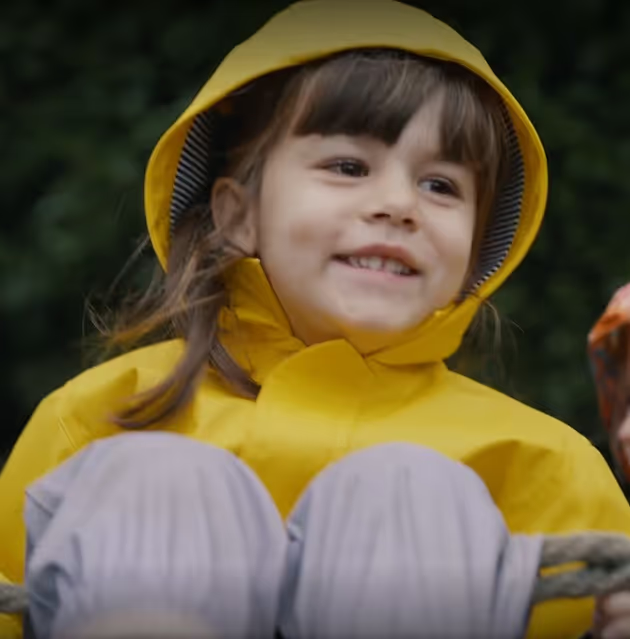
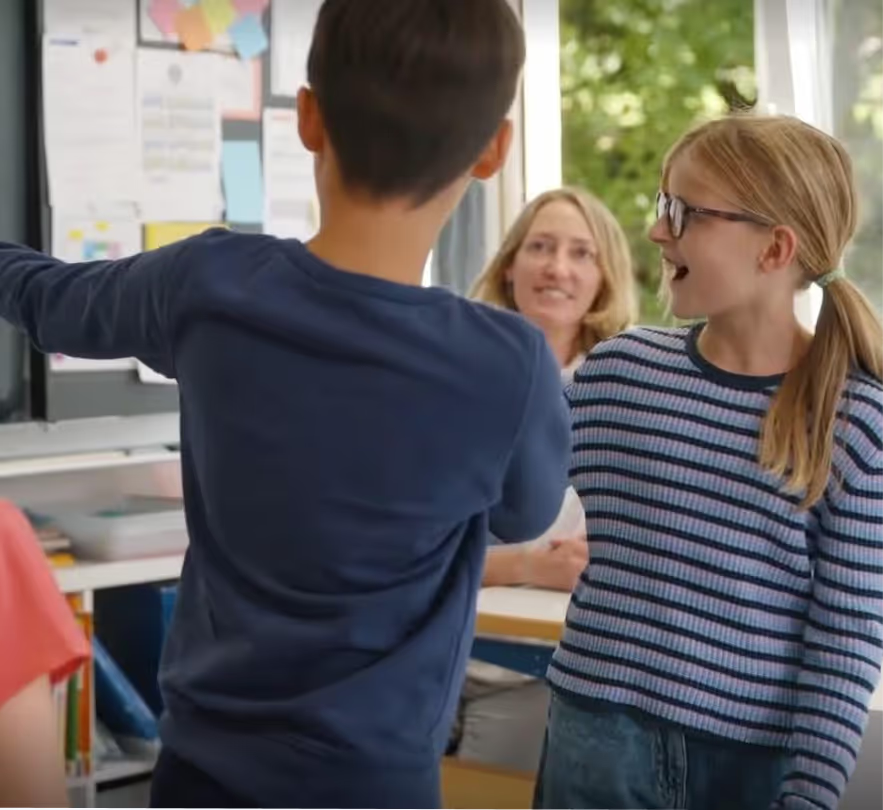
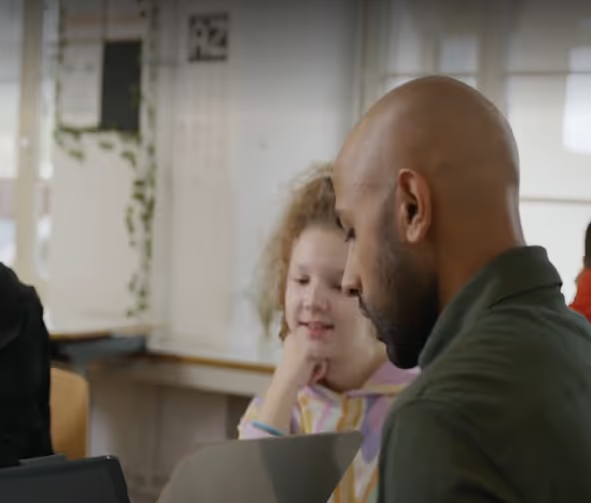
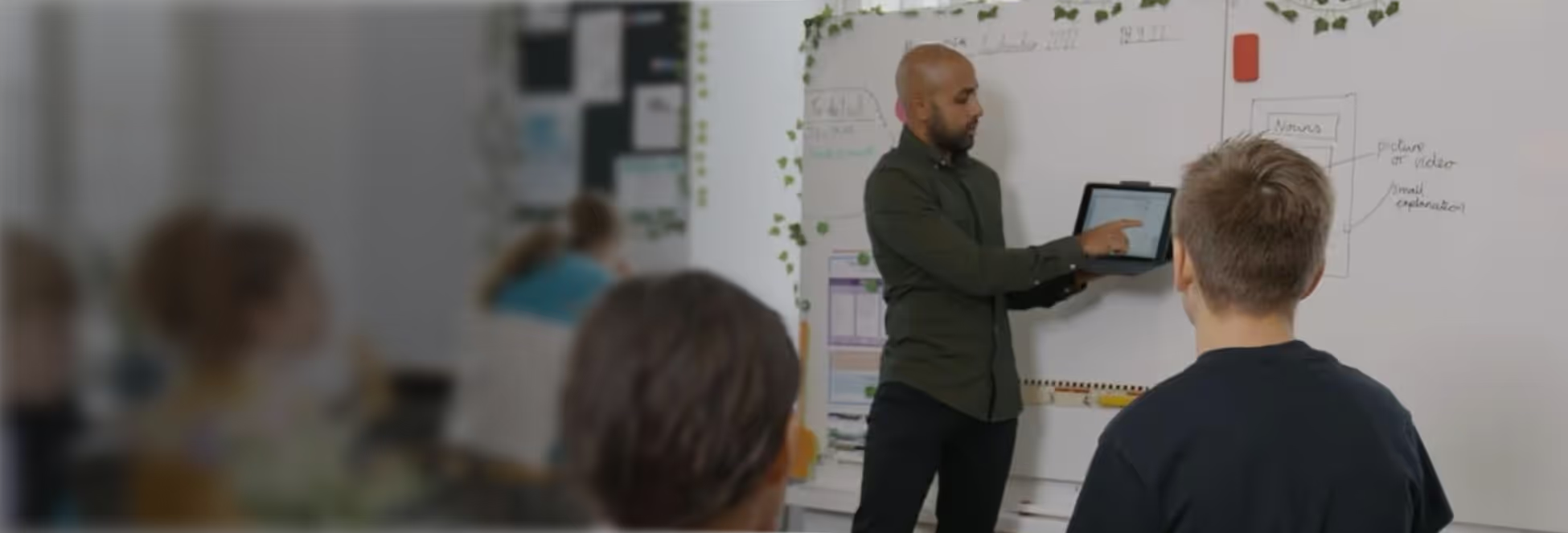
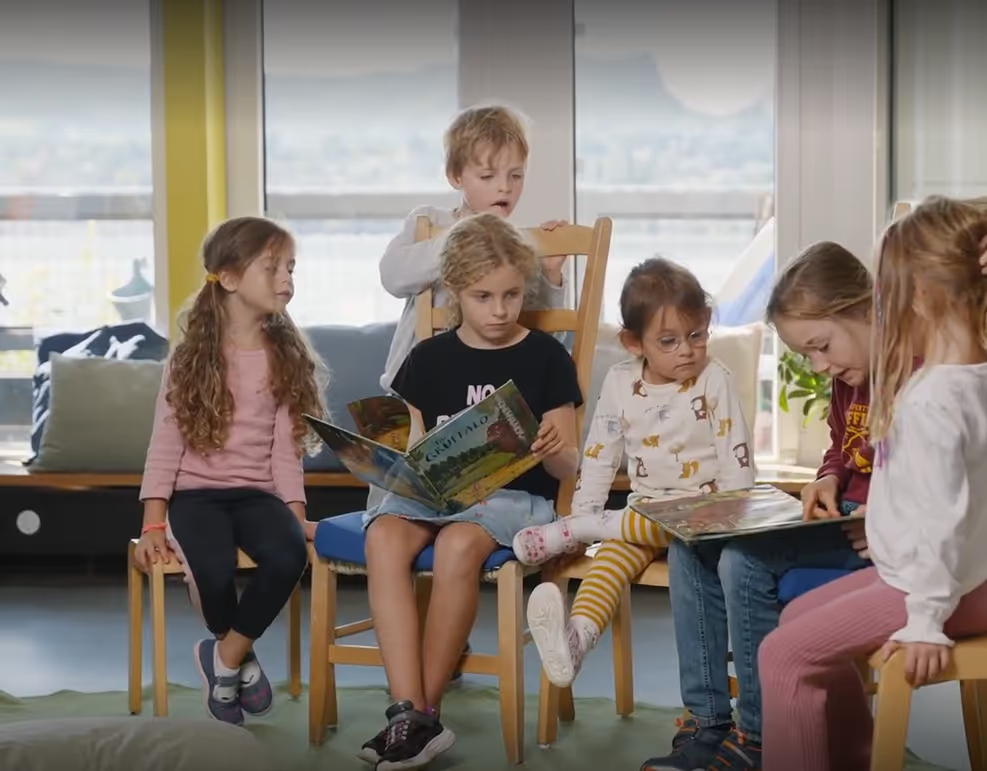
English and German are not merely two subjects. Both are used in speaking and writing in every subject. Our teachers are either native German or English speakers and are able to impart the linguistic and cultural diversity that non-natives cannot offer.


.avif)




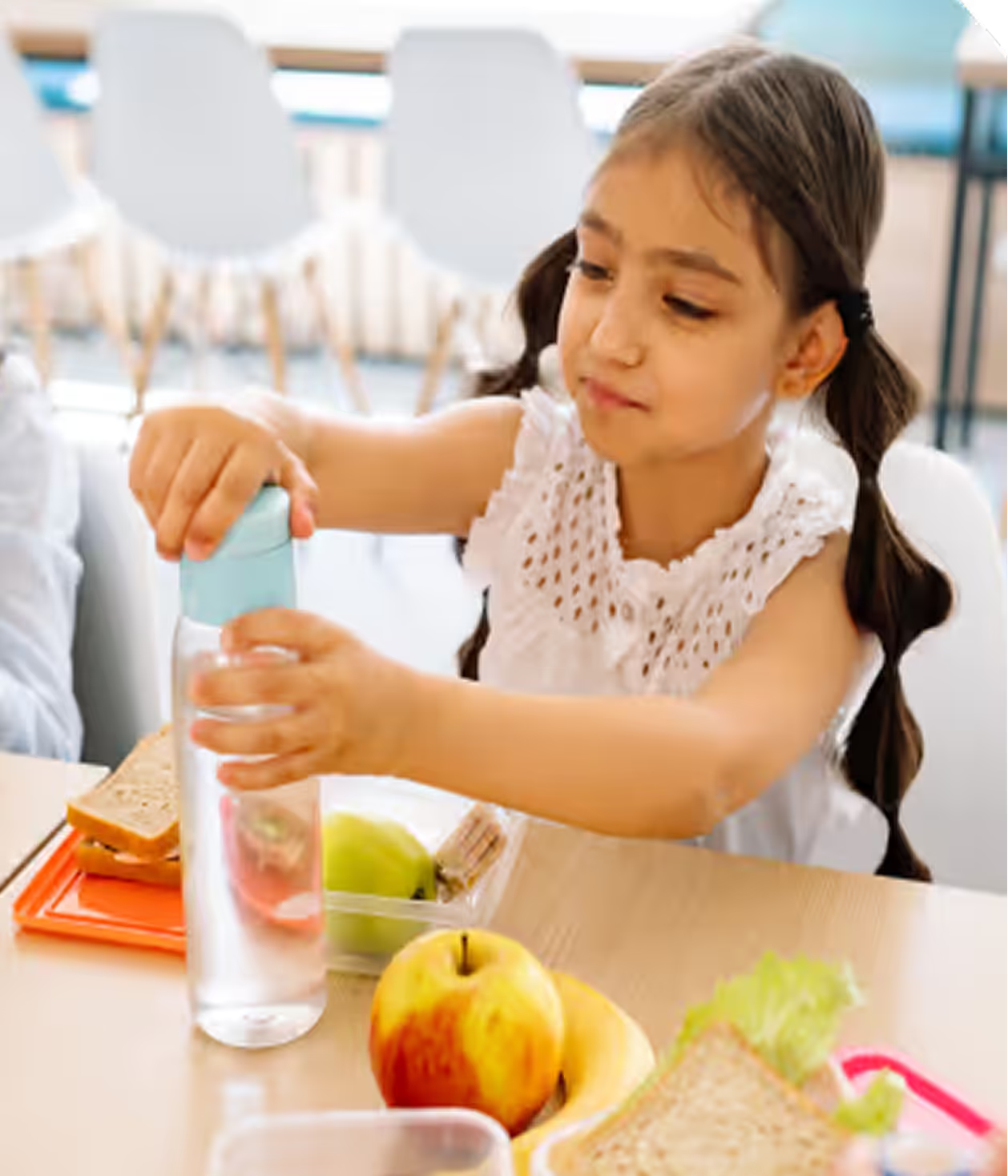
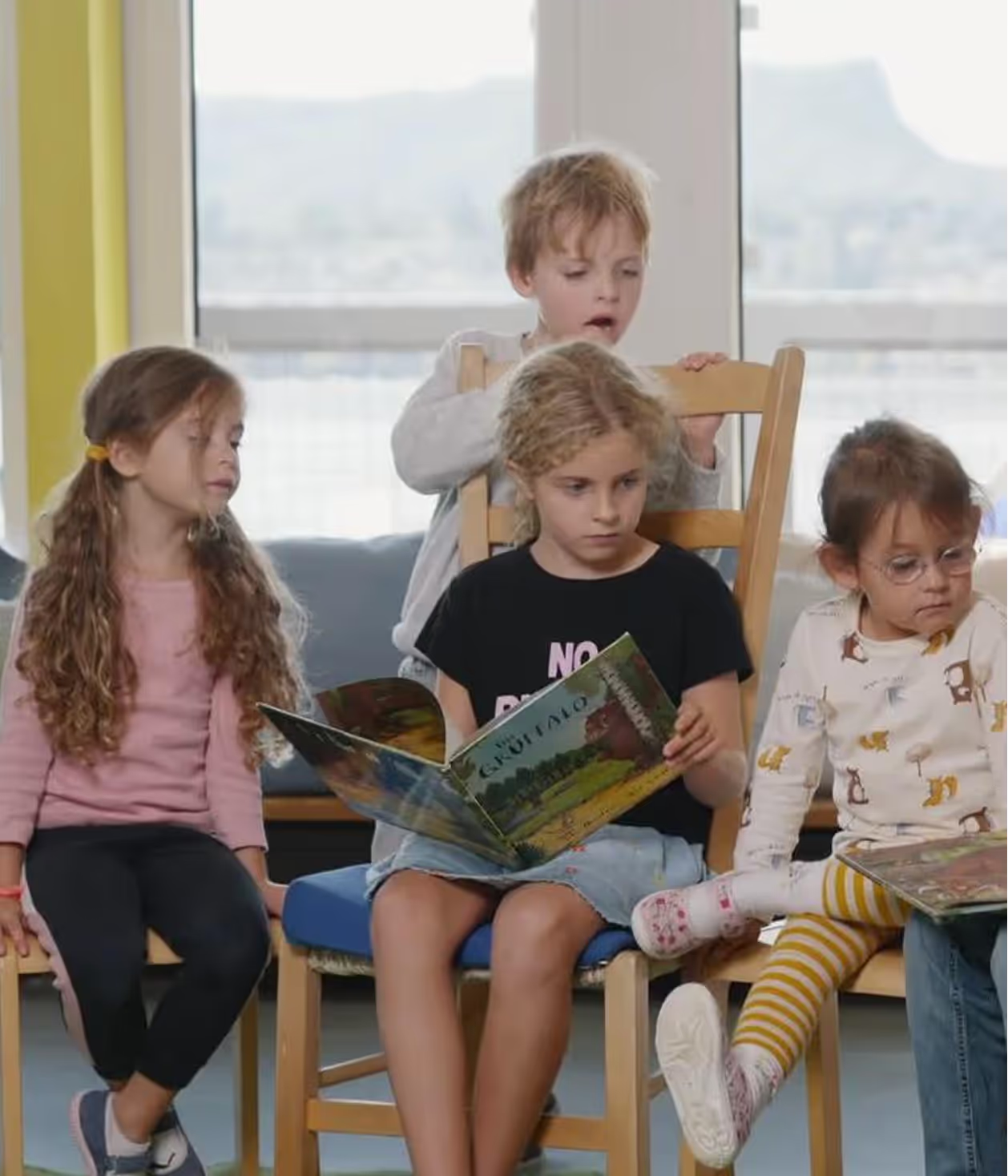
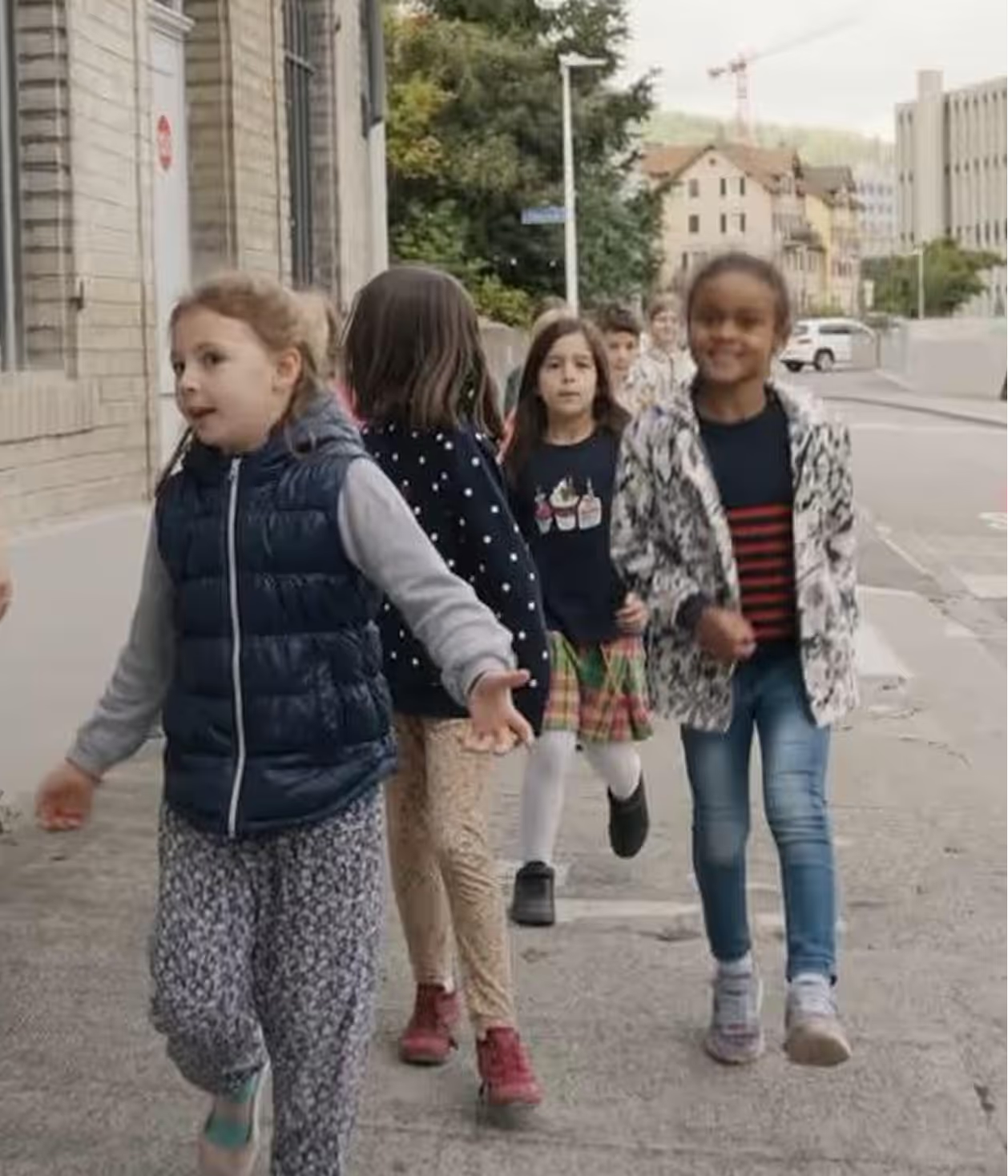


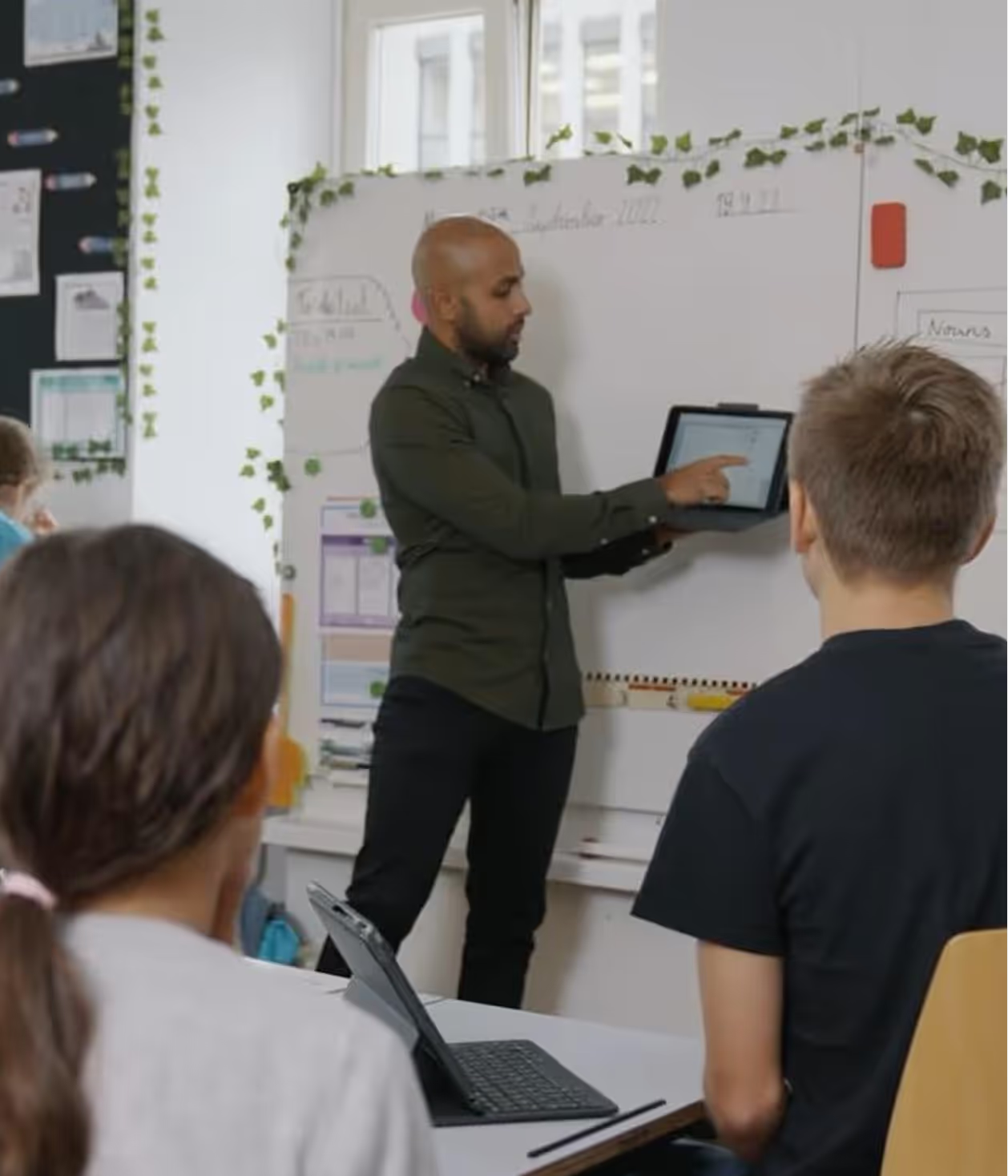
Creative Education
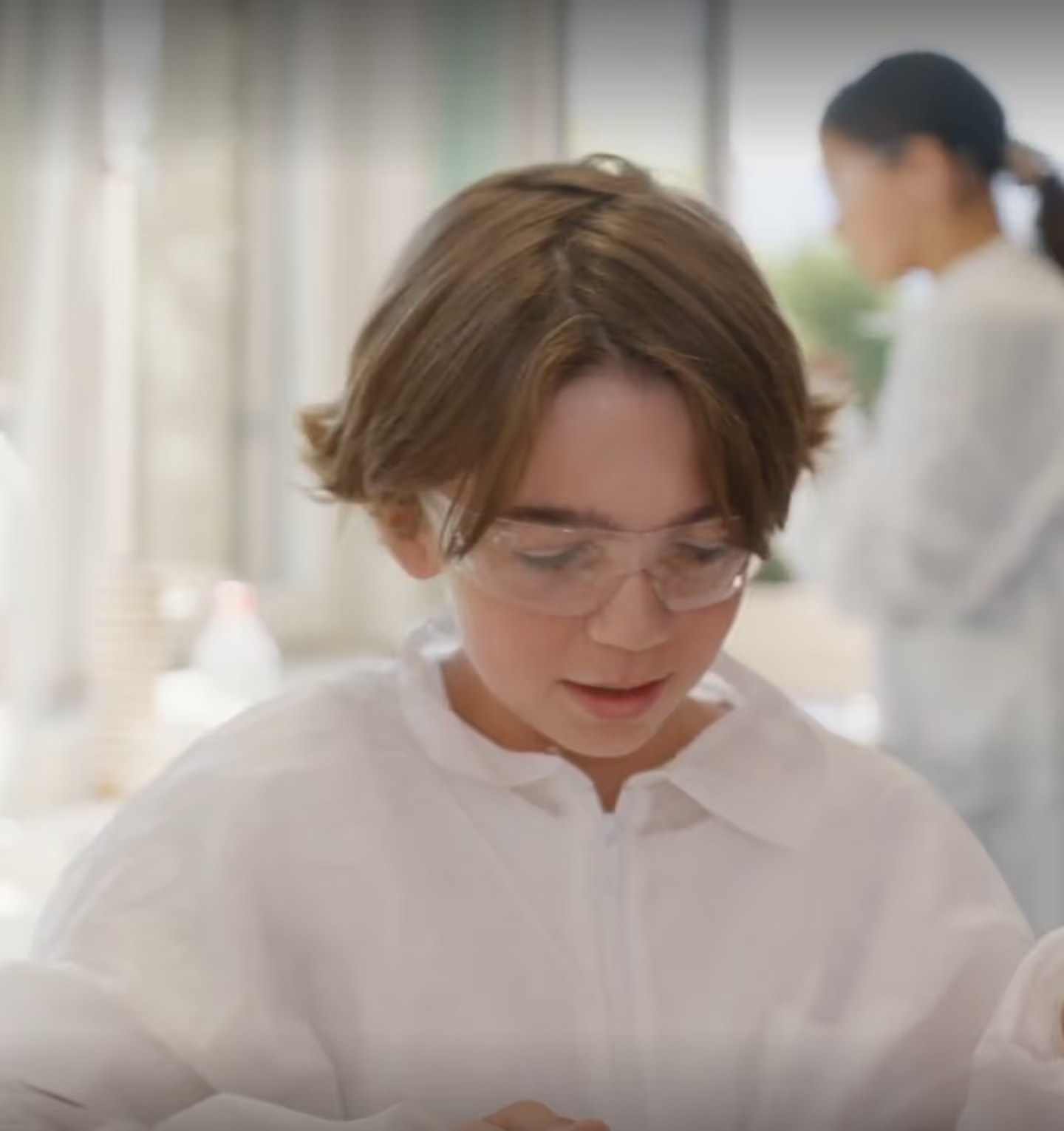
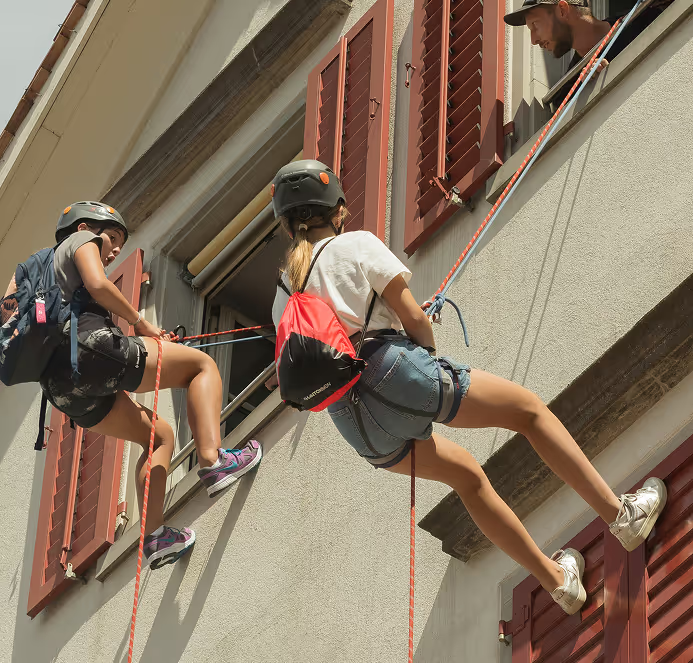
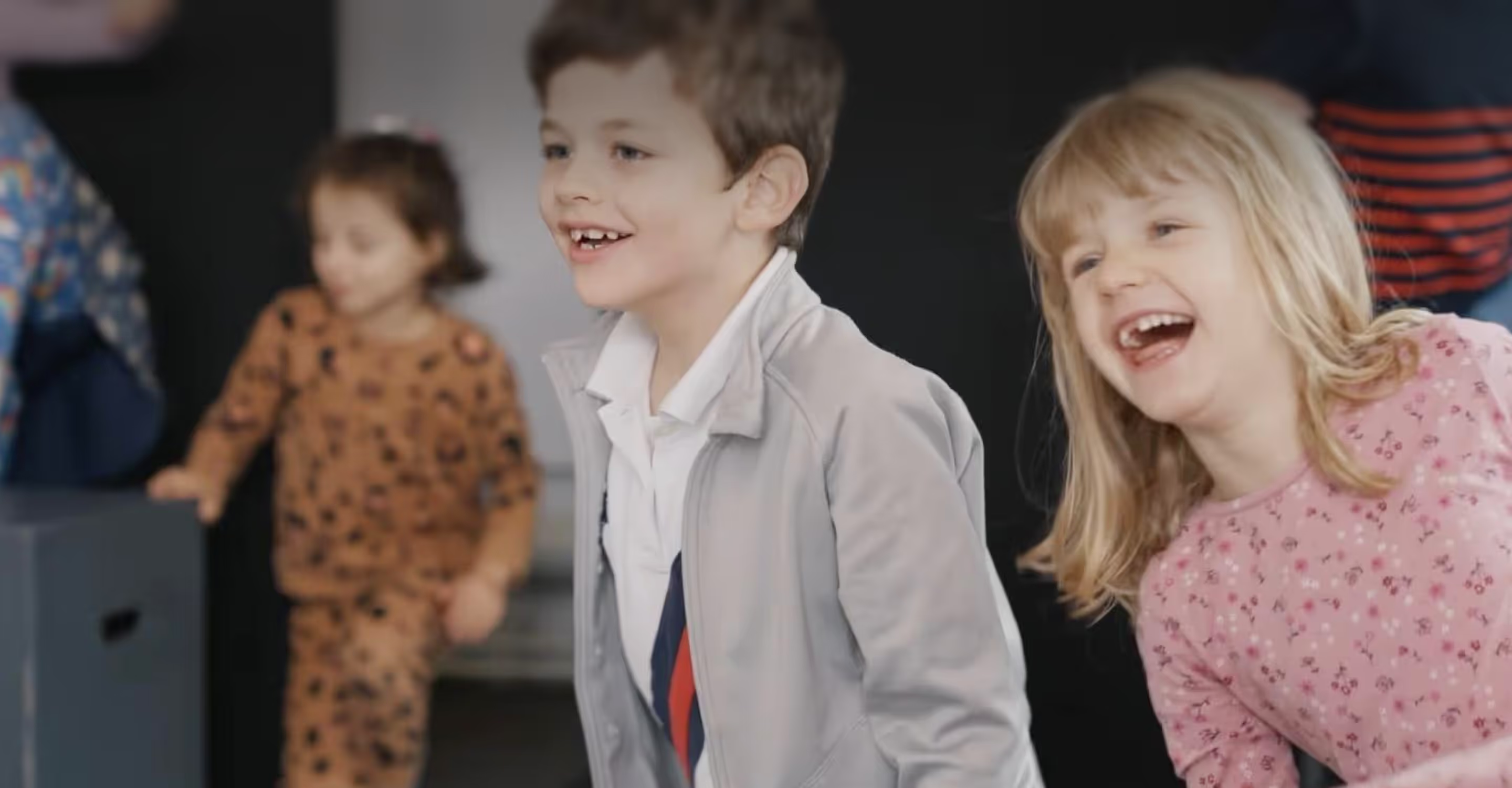
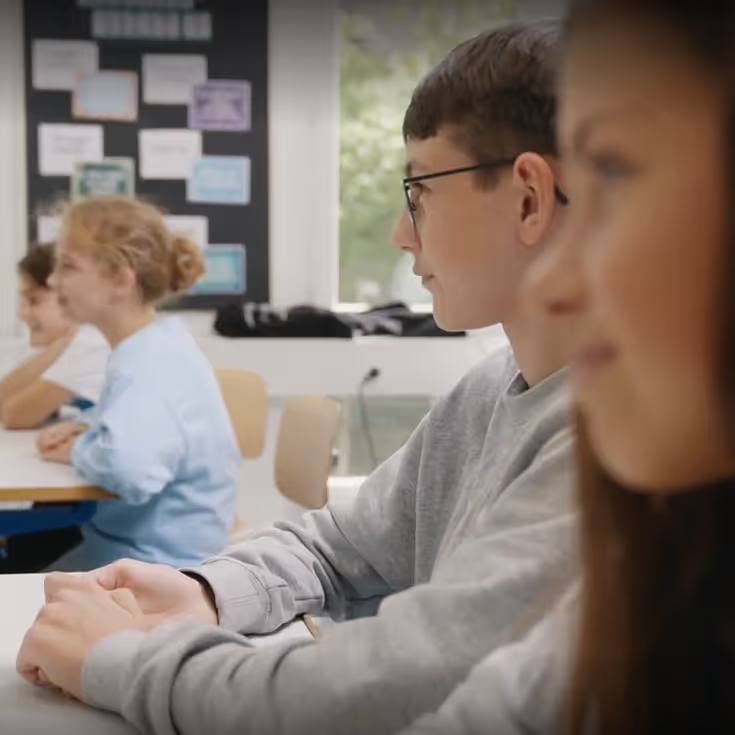
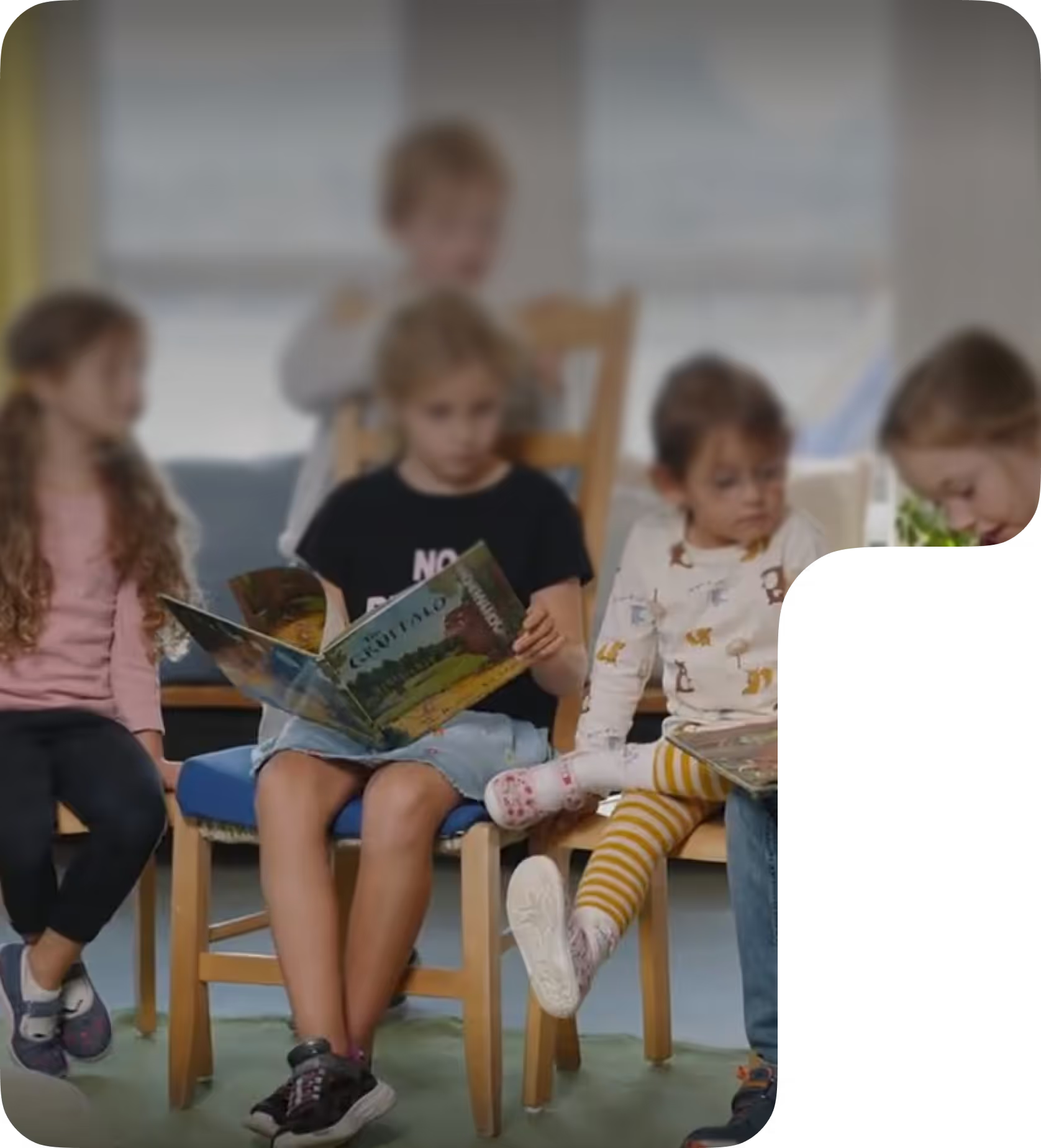
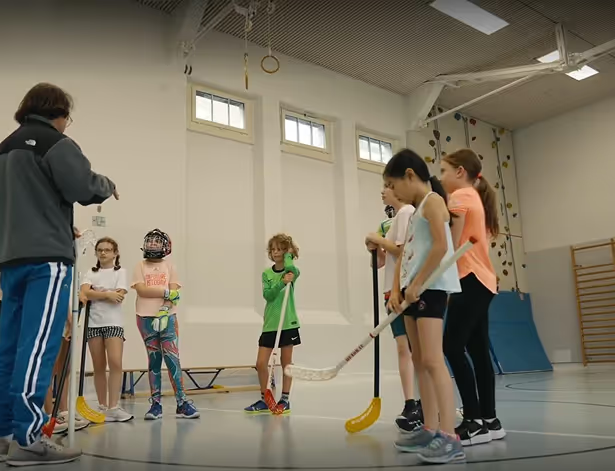
Physical Education, Music, Drama and Crafts, Design, Technology are essential components of our Lakeside School curriculum. In addition to academic knowledge, skills and understanding, we promote the development of a healthy self-esteem, approaches to learning as well as social skills.

.avif)

.svg)

.avif)
Lakeside School in Numbers
students is the average class size

% of the school fees are invested in the school

is the ratio of teachers to children in Kindergarten
is the year Lakeside School was founded


nationalities are represented on our campuses
subject specialist teachers teach in our primary school

years is the average years of teaching experience of our staff

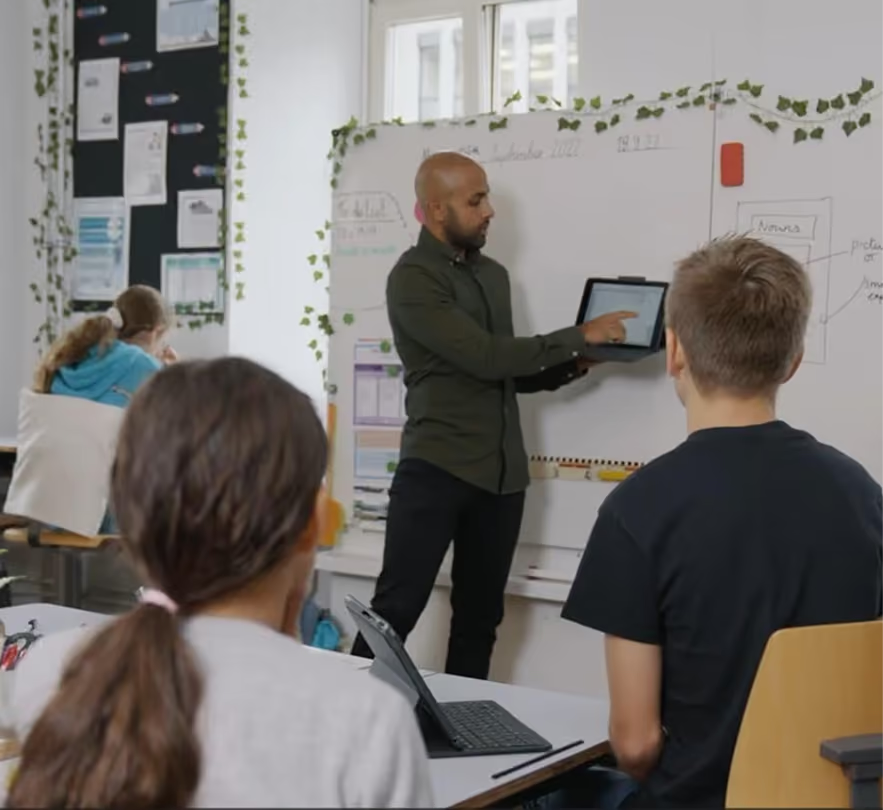
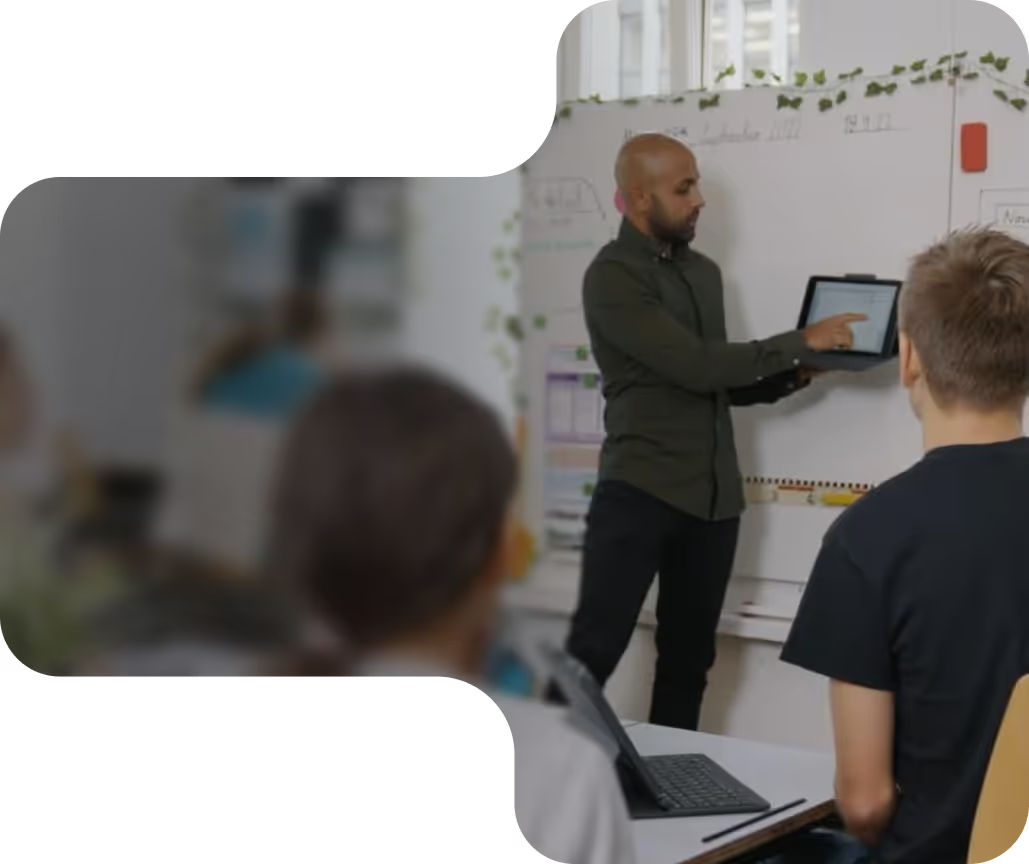
iPad per student from Grade 3 upwards

.avif)
.avif)
.avif)

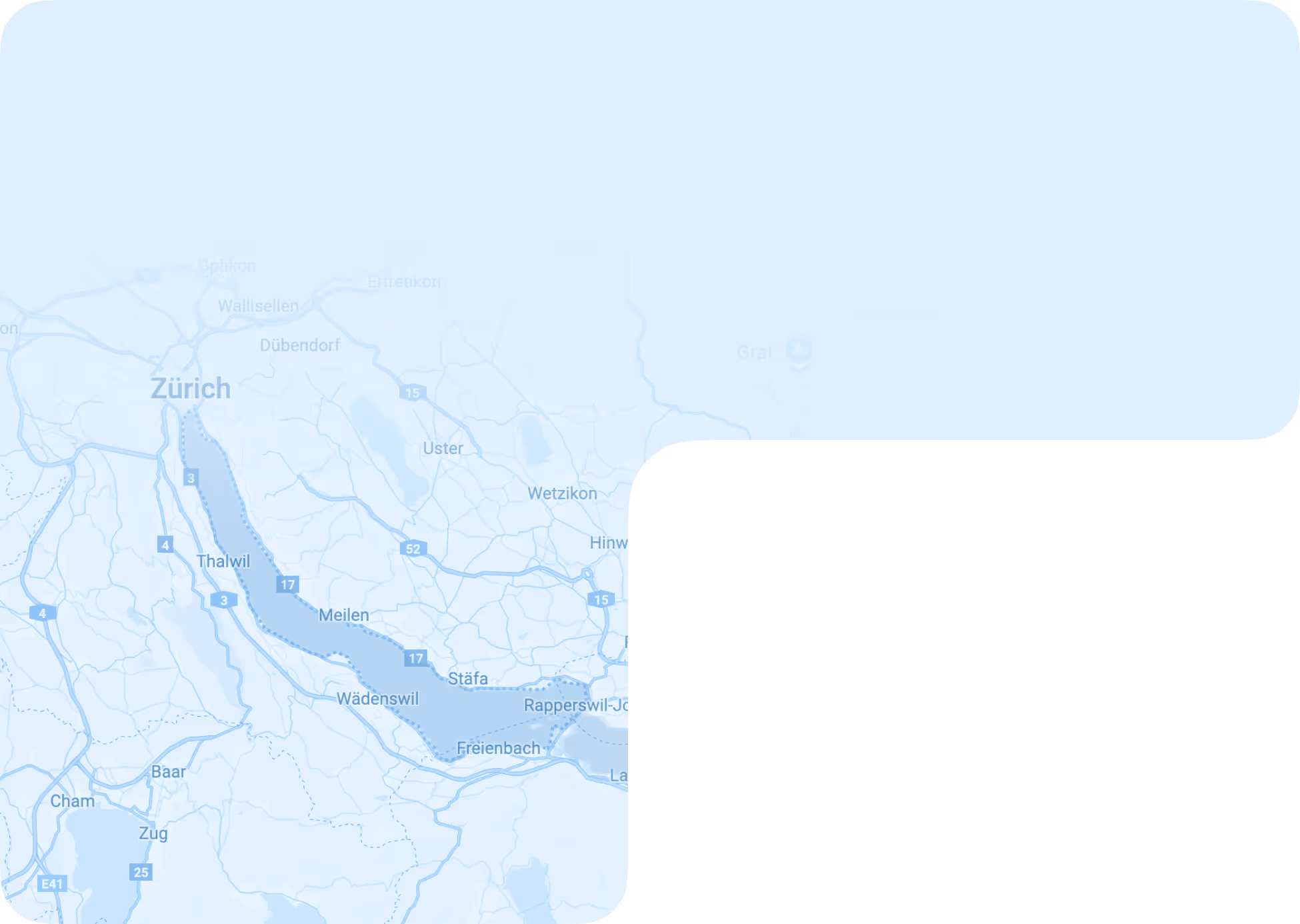
Horgen

.avif)
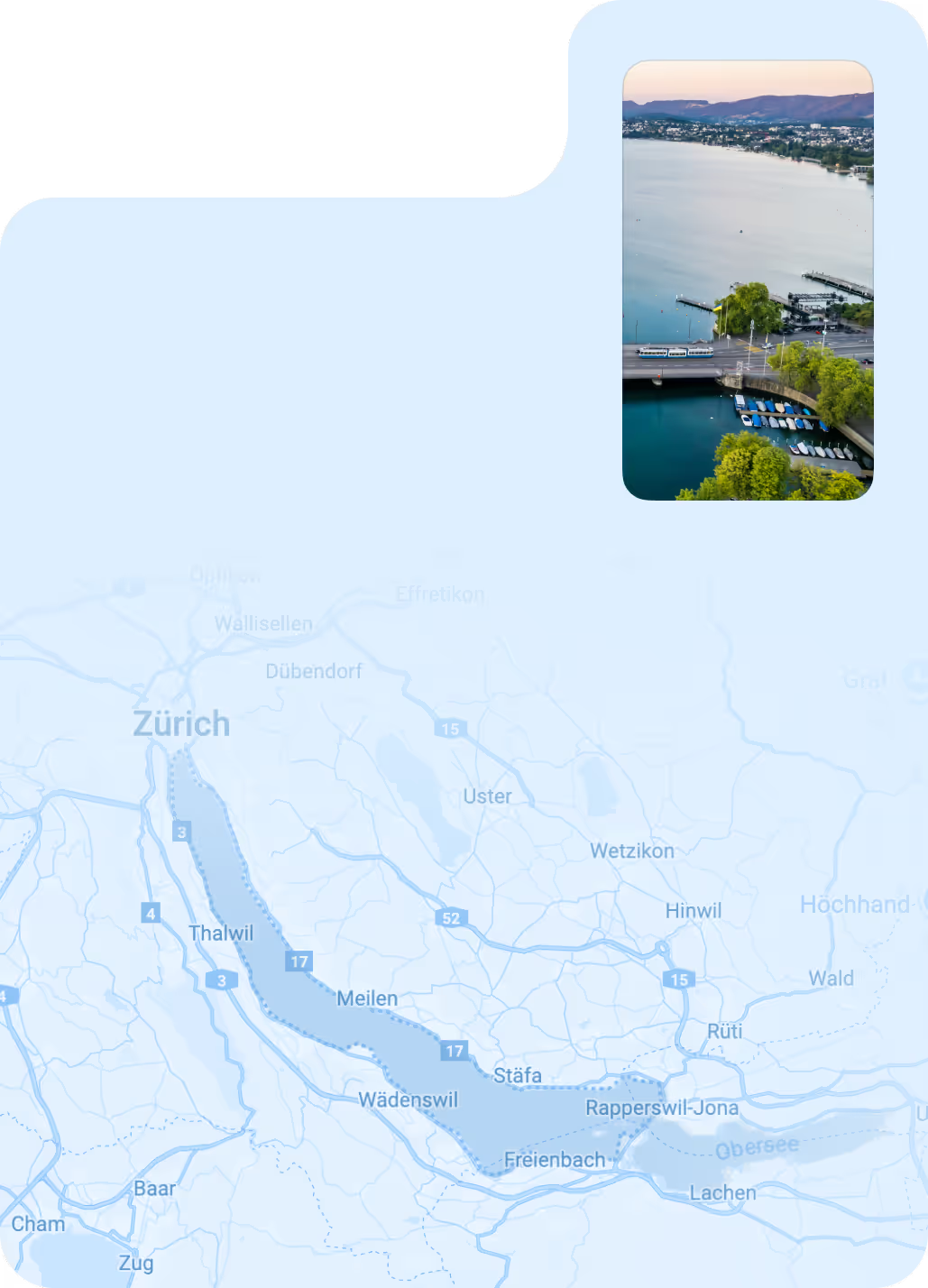
Find out more about where our families are from, what languages they speak and where they live.


For questions and enquiries, you can reach us during office hours by phone or at any time by email and contact form.

Küsnacht
Find out more about where our families are from, what languages they speak and where they live.
For questions and enquiries, you can reach us during office hours by phone or at any time by email and contact form.
.svg)


.avif)
Frequently Asked Questions & Answers
What follow-up options does my child haveafter Lakeside School?

As a private school that is accredited by the cantonal authorities, we follow Lehrplan 21, the Swiss national curriculum. This makes transitioning to a local Swiss school possible at any time. Additionally, our curriculum is enriched through international curricula. This means that transitioning to international schools or schools that follow an Anglo-Saxon or Germanic education system is seamless.
Is learning at a bilingual school difficult?
Beim Eintritt in eine zweisprachige Schule ist es von Vorteil, diesen so früh wie möglich vorzunehmen. In jungen Jahren ist es einfacher, die zusätzliche Sprache zu erlernen. Je älter die Kinder werden, desto mehr wandelt sich der natürliche Spracherwerb zu einer Anstrengung des Sprache lernens. Wir nehmen jedoch auch einsprachige Schüler:innen im Grundschulalter auf. Bei einsprachigen Schüler:innen, die nach der dritten Klasse zu uns kommen, prüfen wir sorgfältig, ob unser Lehrplan und das Lerntempo geeignet sind.
What follow-up options does my child haveafter Lakeside School?
As a private school that is accredited by the cantonal authorities, we follow Lehrplan 21, the Swiss national curriculum. This makes transitioning to a local Swiss school possible at any time. Additionally, our curriculum is enriched through international curricula. This means that transitioning to international schools or schools that follow an Anglo-Saxon or Germanic education system is seamless.
How do bilingual classes work?
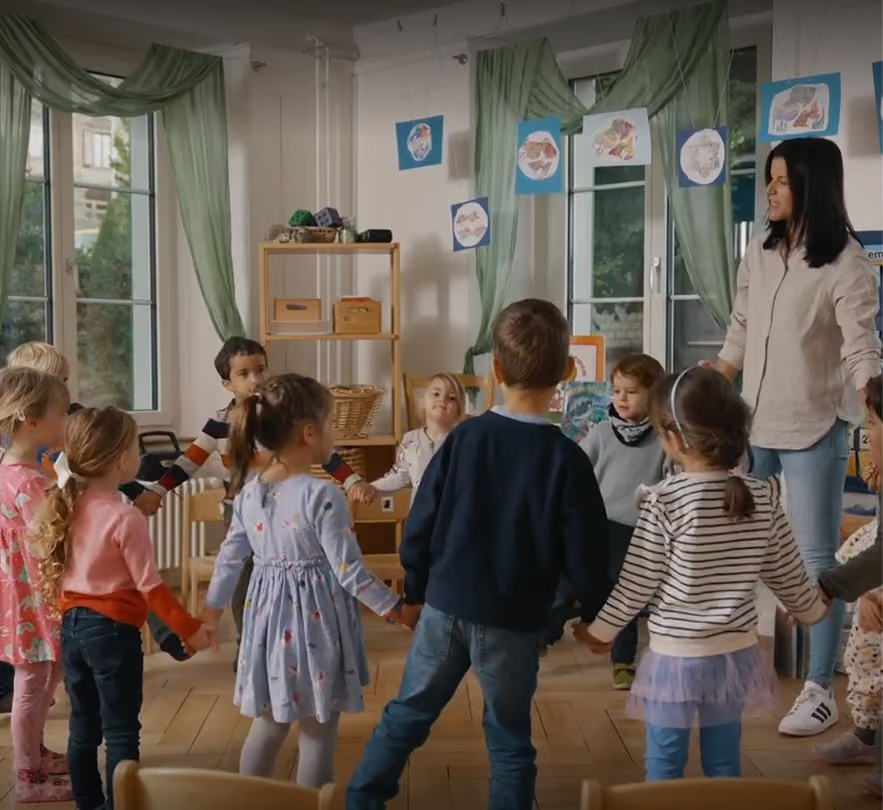
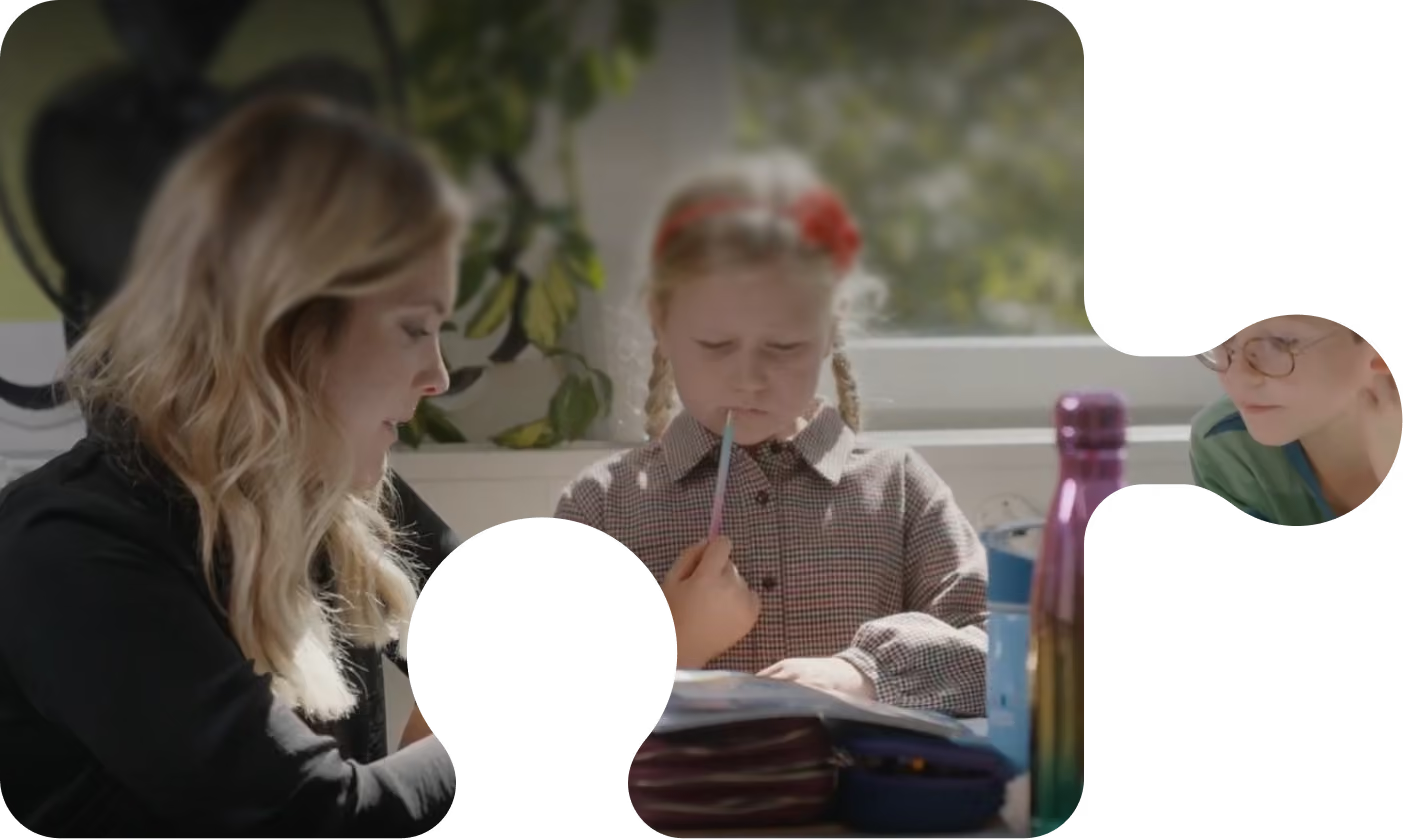
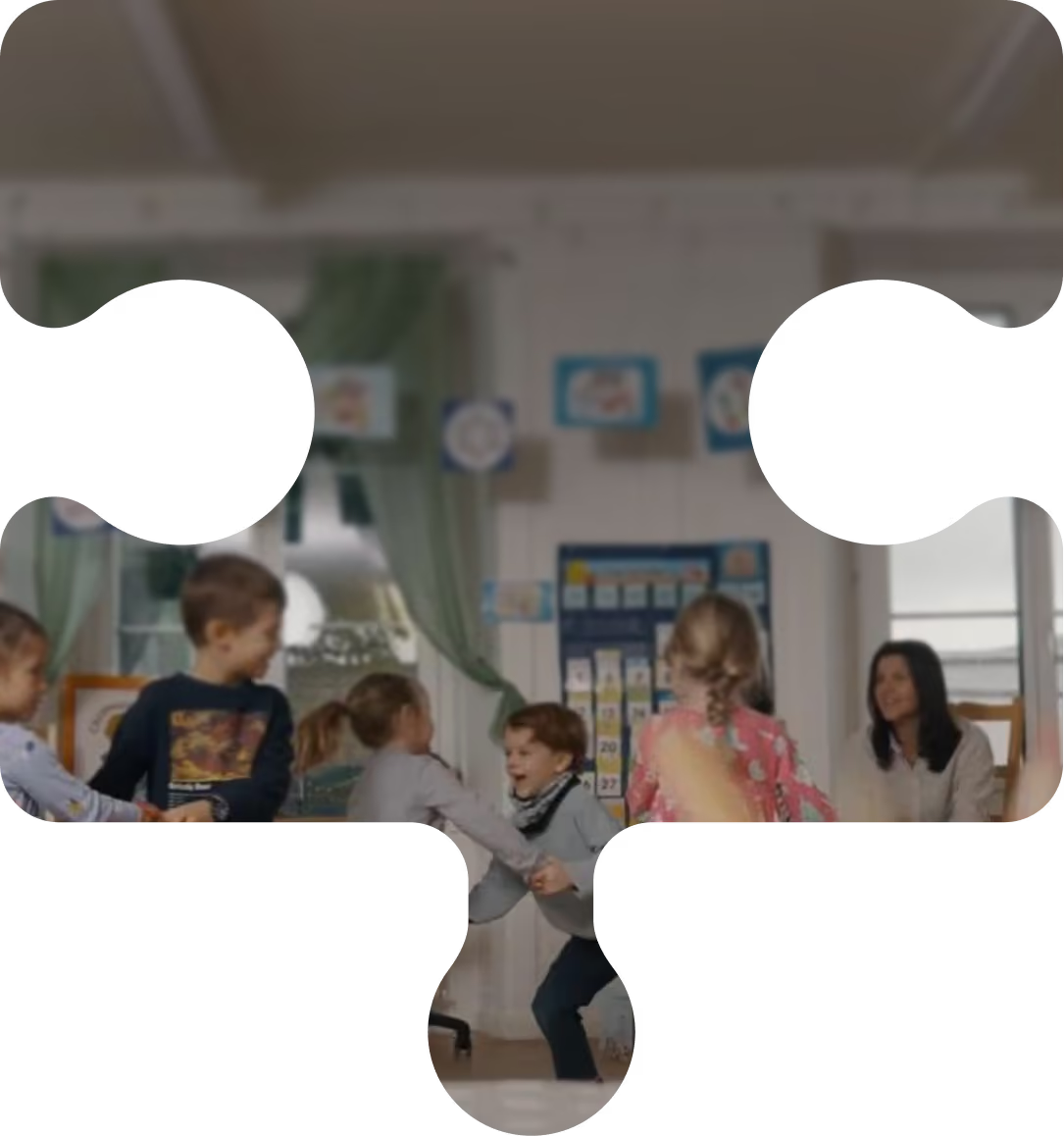
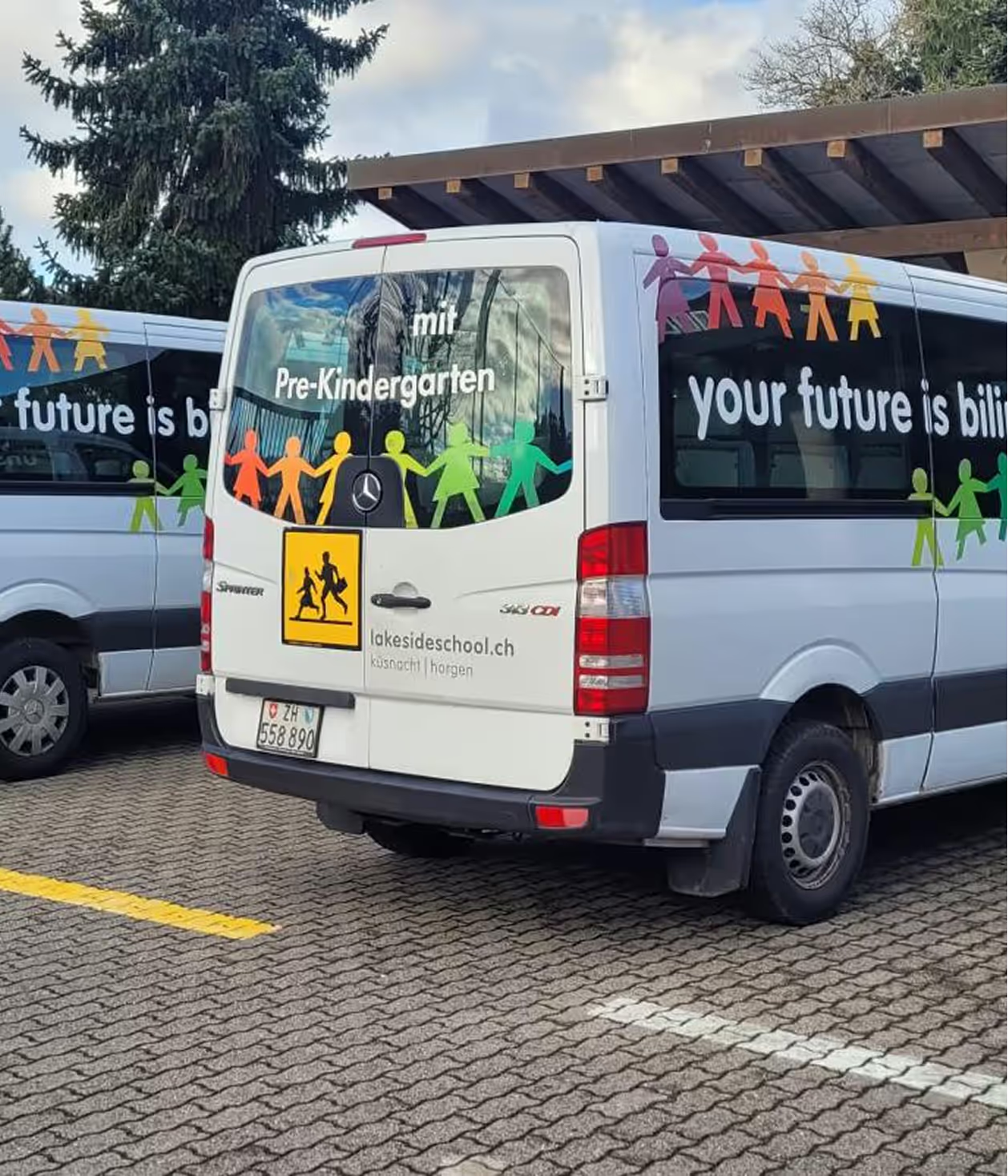
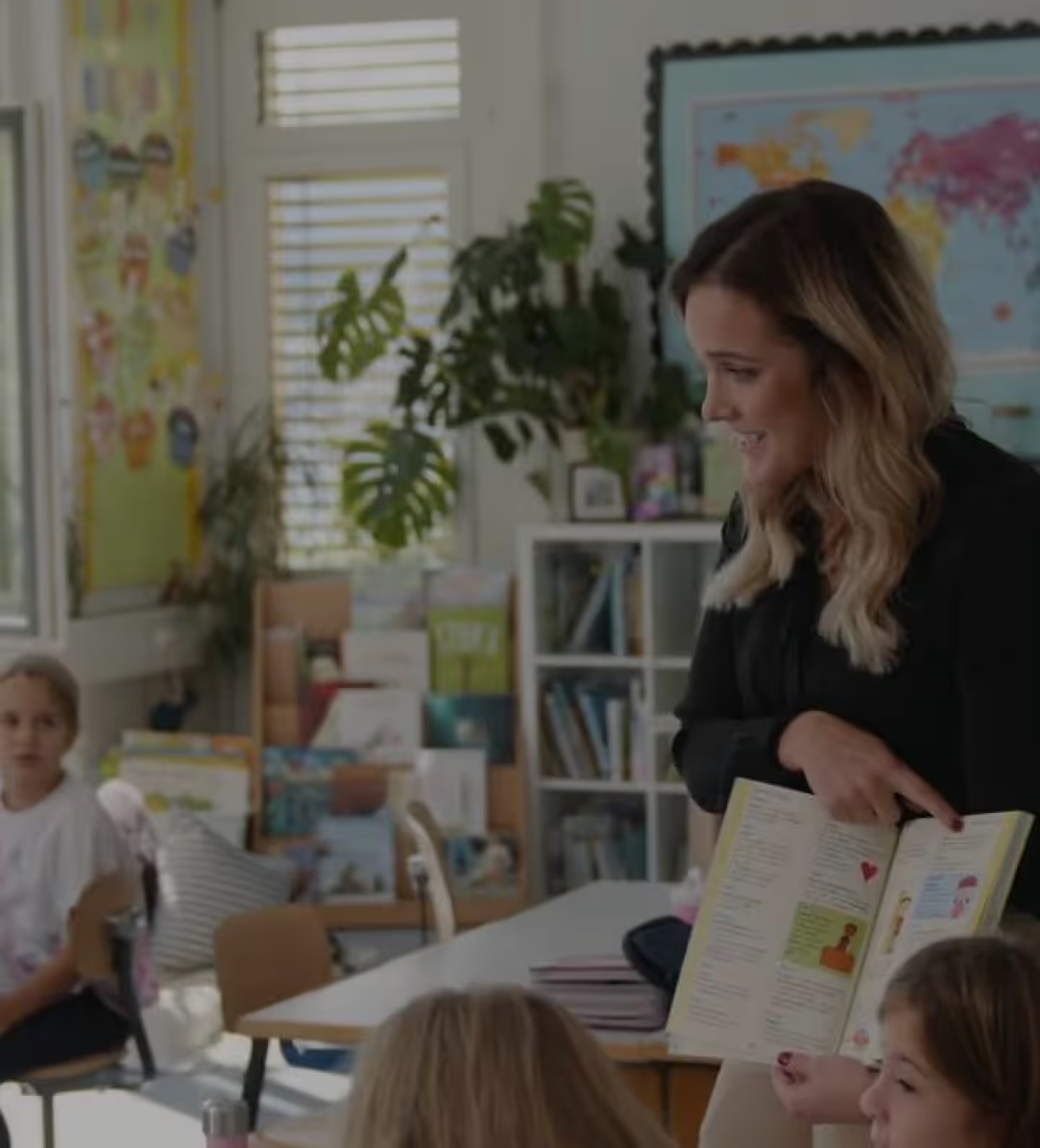
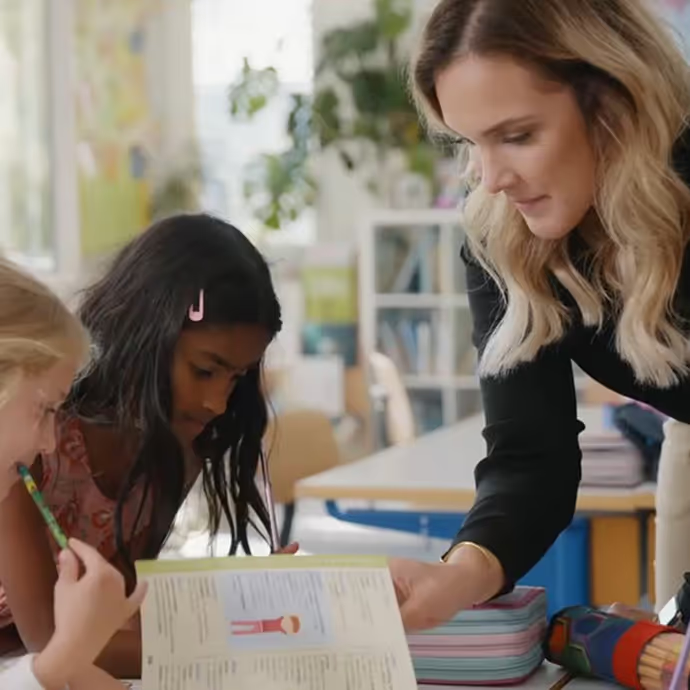
In both Pre-Kindergarten and Kindergarten, each class has one English and one German-speaking class teacher teaching together. Like in a bilingual family, children are simultaneously exposed to both languages. In Primary School, students are instructed in English and German. One native English-speaking and one native German-speaking class teacher share the responsibility for the class and coordinate their planning closely. The class has an English week where all subjects, including Mathematics and Environmental & Social Studies, are taught in English. The following week the same applies in German. Specialist subjects, such as Music, Sports, etc., are taught in either English or German.
What is the difference between a bilingual school and an international school?
As a bilingual school, we offer the best of both worlds. During the German weeks, students experience school life as they would in a German-speaking country, while their English week provides them with an experience of a school in an English-speaking country. Unlike international schools, accepting local students (Swiss passport holders) is not subject to a limited duration.
What is the difference between a bilingual school and a public school?
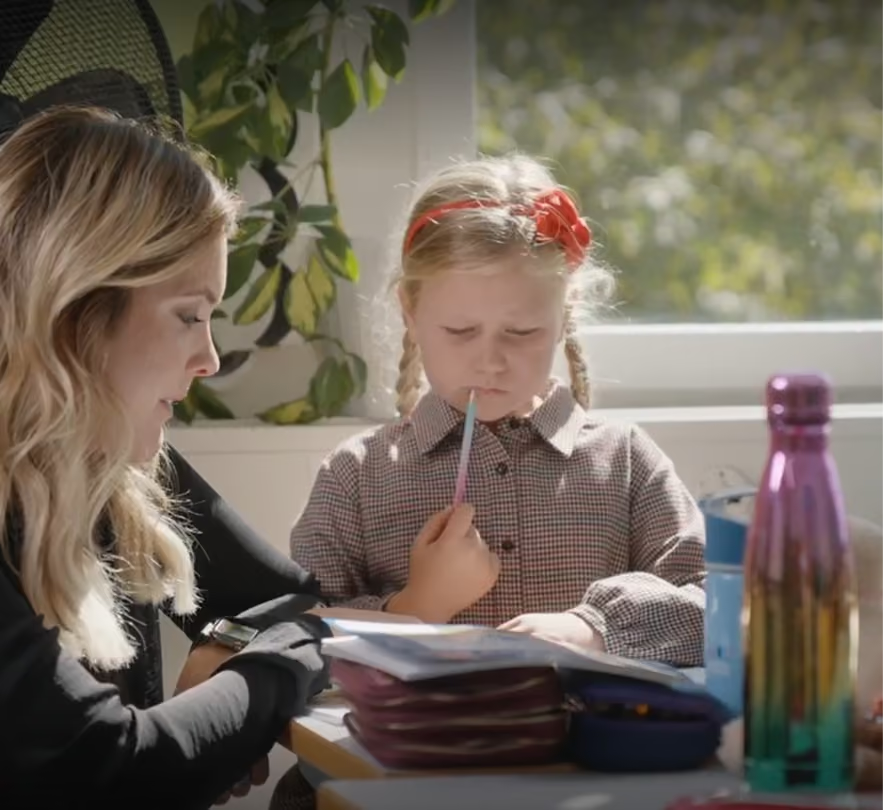
We offer a fully immersive English and German (50:50) programme with equal instruction in both languages. As an academically rigorous school, 60 % of our students transition to a Gymnasium (secondary university prep school) compared to the local school average of 20 %. As a day school, we offer comprehensive care, including Day Care (before and after school care), catered lunches, extra-curricular activities, and a door-to-door school bus service. We celebrate our school community by organising events for our students and parents. Our small class sizes, the small and familiar environment as well as our qualified and experienced educators who view teaching as a vocation are further characteristics that make a difference towards our school. At Lakeside School, parents are viewed as partners in their child’s education.
What are the benefits of a non-profit private school?
Lakeside School is one of the few bilingual schools in the country that is private and non-profit. While for-profit schools budget for a proportion of tuition fees to be paid to investors, our school is able to invest every Swiss franc received into the school. This means that our proportional budgets for teaching resources, field trips, and infrastructure are larger than those at for-profit schools.
Does my child’s German suffer at a bilingual school?
A German-dominant child reaches at least the same level in German as they would in a monolingual school. For children with other language dominances, German language acquisition is slower than if they were taught in a purely German-monolingual school. In the bilingual setting, however, they benefit from also reaching a native-speaker level in English in the areas of reading and writing.
Does Lakeside School Fondation offer financial support?
Yes, in cases of financial hardship, instalment payments can be arranged, deferrals can be granted upon request, and reductions and waivers of school fees can be applied for. To do so, please complete the following form and send it to the address provided.
Additional Questions? Contact Us.